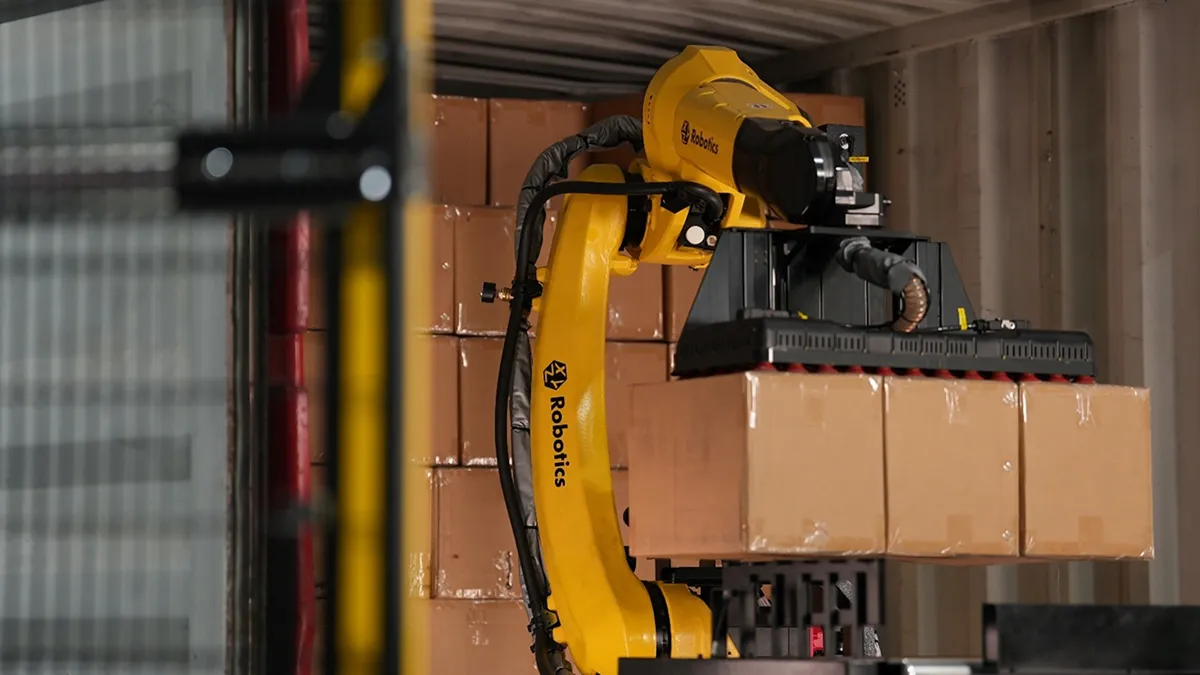
XYZ Robotics will Showcase RockyOne Live at GLP LOGISTICS EXPO 2025
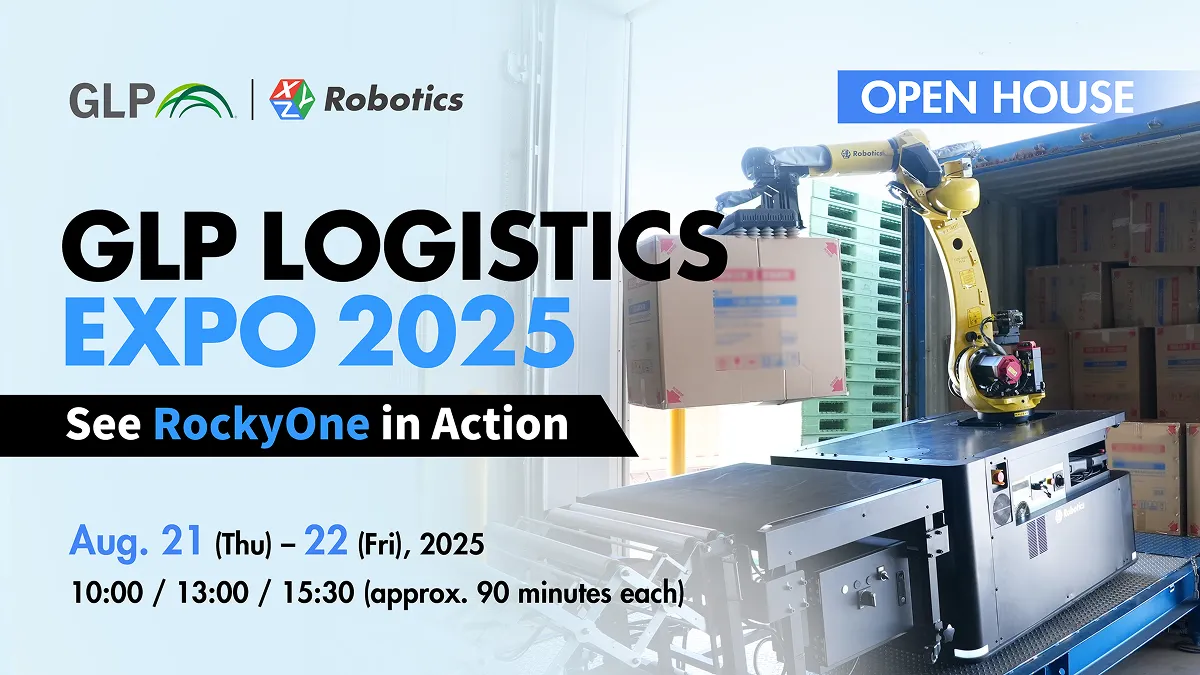
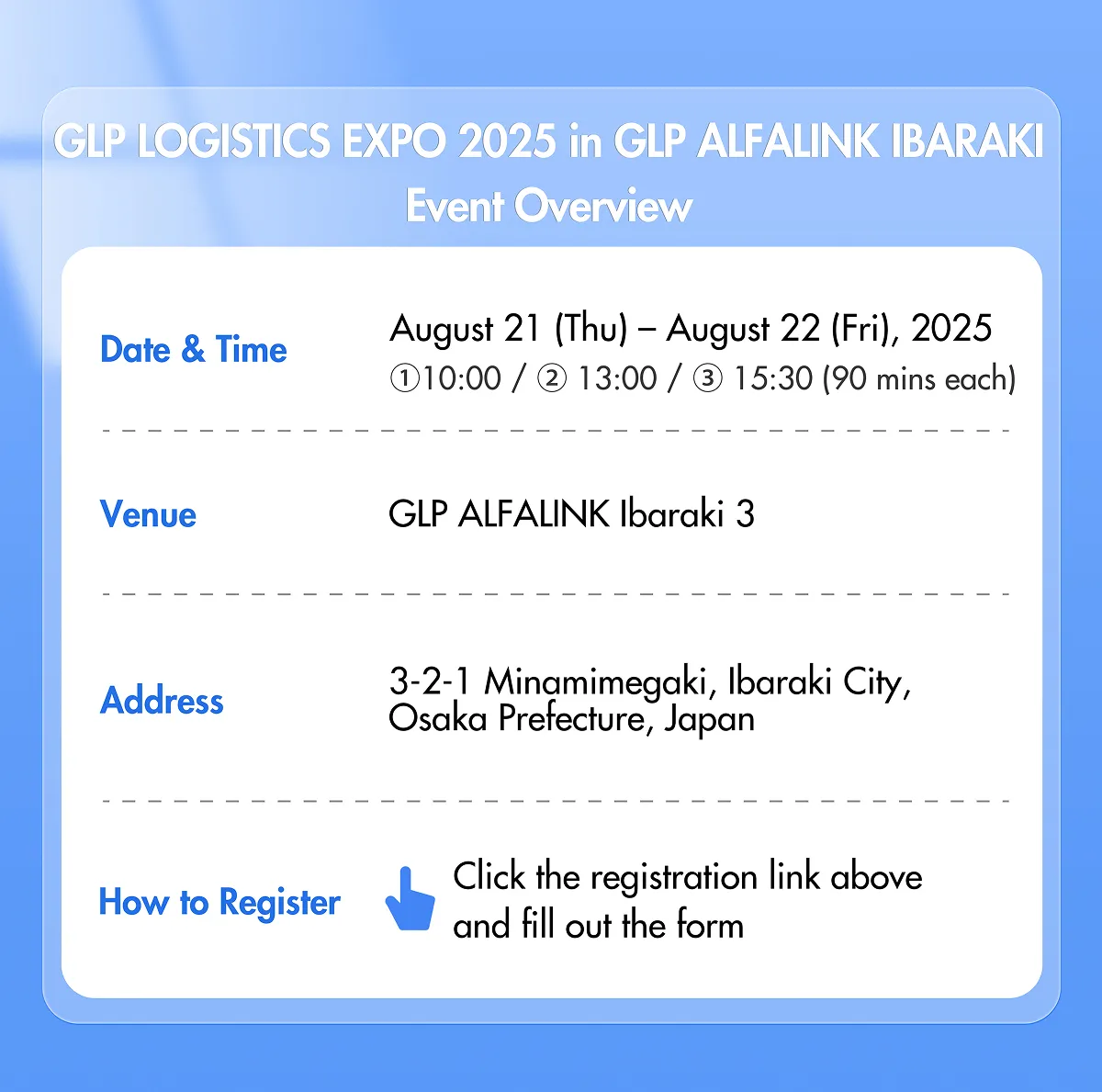
XYZ Robotics will exhibit RockyOne, an advanced Mobile Manipulation Robot, at the GLP Logistics EXPO 2025 held at GLP ALFALINK Ibaraki from August 21 to 22, 2025.
RockyOne is designed to automate loading and unloading from containers and trucks at logistics facilities. Equipped with a mobile base and a robot arm, RockyOne moves inside containers to perform material handling tasks without human intervention. It is gaining attention in Japan as a way to enhance logistics site efficiency, alleviate labor shortages, and reduce operating costs.
Pre-registration here >> https://go.glp.com/alfalink-ibaraki_expo2025
Boosting Efficiency with Autonomous Robotics
Labor shortages are an increasing challenge in logistics worldwide, especially in aging markets like Japan. These shortages raise operational costs and place extra strain on warehouse staff, particularly for physically demanding tasks such as container loading and unloading.
Equipped with advanced intelligence, RockyOne offers a fully autonomous robotic solution. It features a 3D vision system, robotic motion planning, and smart loading algorithms, enabling it to navigate and operate without manual teaching. RockyOne can handle loads up to 30 kg, freeing workers from heavy lifting. The robot picks 1 to 4 cartons at a time and processes 350 to 1,100 cartons per hour, significantly boosting operational efficiency.
Global industry leaders have already adopted RockyOne at their logistics sites. In Japan, it is currently in operation at top companies like Marubeni Logistics and the Nitori Group.
About XYZ Robotics Japan
XYZ Robotics Japan is a branch of XYZ Robotics, a company with headquarters in Shanghai. Founded in 2018, XYZ Robotics serves industry-leading customers worldwide, with operational branches in the United States, Germany, Japan, South Korea, and China.
XYZ Robotics develops mobile manipulation robots (MMR). These MMRs pioneer automation in truck loading, unloading, and case picking. By handling heavy, repetitive work, they boost throughput, enhance ergonomics, and relieve staffing pressures from labor shortages. This leads to safer, more efficient operations that keep employees engaged and strengthen corporate social responsibility.